
Review and Refresh Your Concussion Management Program
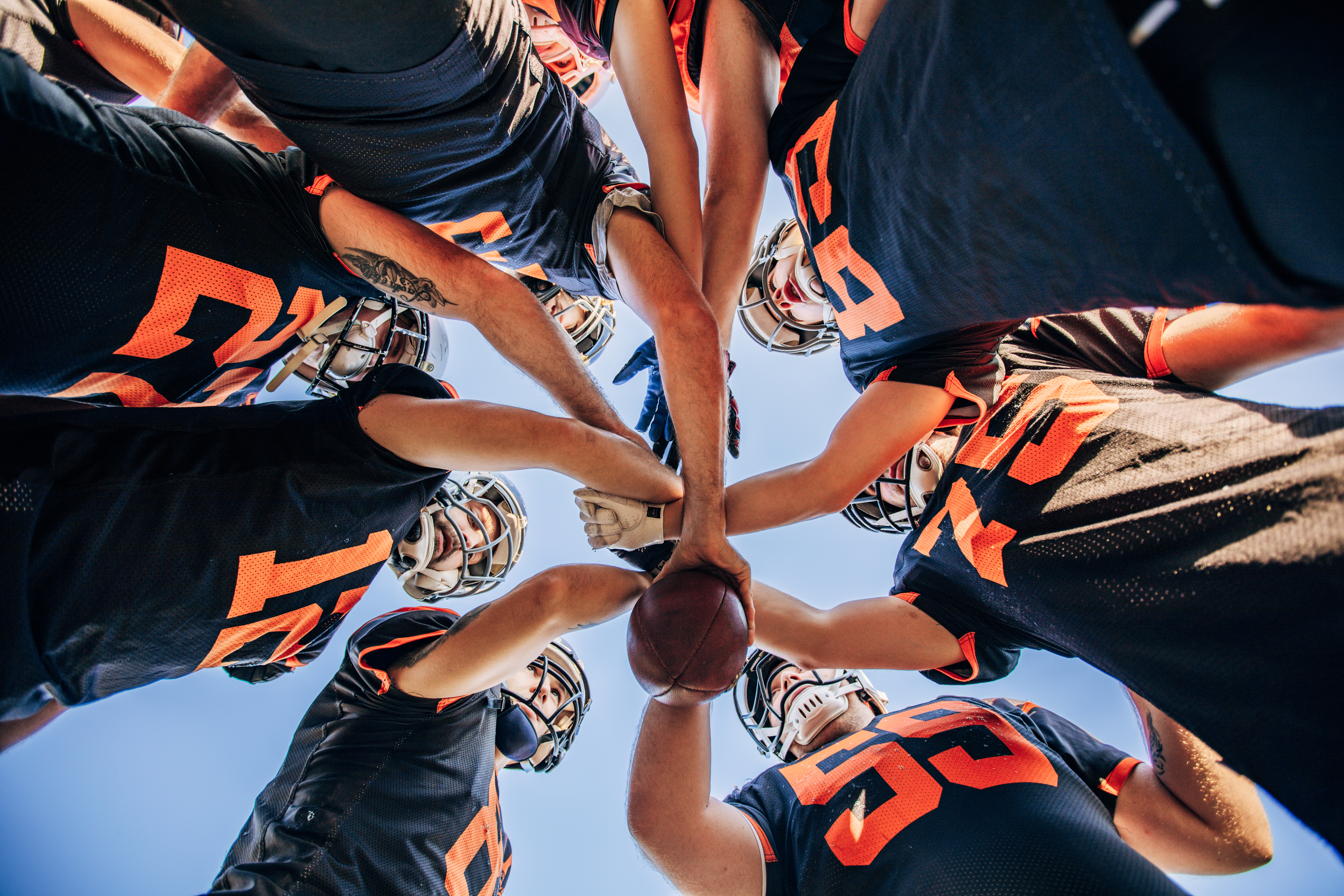
School administrators should understand the requirements of their concussion management program. Even if your school meets all current concussion management requirements, there may still be opportunities for improvement. Below are some common concussion management recommendations to review and refresh within your school's program.
Return to Learn
A traumatic brain injury doesn't just affect a student's athletic participation – it can also affect their ability to learn. While a return-to-play protocol may be part of your concussion management program, a formal plan for the classroom is just as important. Classroom teachers should be made aware when one of their students is in the concussion protocol and receive training on the signs and symptoms of a concussion. The same principles used to gradually reintroduce an injured student to athletics should apply to classroom learning.
ImPACT Testing
Neurocognitive testing is a critical component of monitoring a student’s recovery from a concussion. Neuropsychologists use a variety of tools to assess how a patient is able to think, react, and remember. Among these tools is a computerized scoring system known as ImPACT. Baseline ImPACT testing is highly recommended for all student-athletes, as it allows neuropsychologists to compare brain function before and after injury.
ImPACT Applications baseline and post-injury testing is available to all school policyholders insured through a Utica National company at no additional cost. While ImPACT testing is not a replacement for your concussion management program, it serves as an additional tool to support your decision on whether to allow an athlete to return to play. By comparing post-injury test results to an athlete’s baseline assessment before the season, schools can gain insight into recovery and help reduce the risk of an athlete returning too soon. Using ImPACT testing can help demonstrate a good-faith commitment to concussion management if an allegation of negligence is made against your school.
Baseline and post-injury tests are part of the protocols used at top concussion medical centers, including the University of Pittsburgh Medical Center, the Concussion Institute at Northside Hospital Duluth, and the Mayo Clinic.
Review Your Paperwork
While it’s important to provide parents with information on concussions, concussions aren't the only issue. Parent packets should also address the potential for other injuries. A sample Participant Liability Waiver and Release can be found here.
Despite your best efforts, not every injury can be prevented, so the defense of a future claim must be considered. Maintaining documentation of staff training, providing parents with as much information as possible, and obtaining their signed acknowledgment on a waiver and release can help provide evidence of a good-faith effort made by your school to warn parents of the potential for injury.
Important note: A waiver and release may only provide limited protection, particularly in cases involving actual negligence on the part of your school. This is why formal policies and procedures should be in place when managing your program. Strict adherence to those policies and procedures will help keep students safe and help protect staff from potential liability.
Learn more about current concussion management requirements, including training for coaches, at cdc.gov/heads-up.
Sources:
U.S. Centers for Disease Control and Prevention. Heads Up. https://www.cdc.gov/heads-up/index.html. Accessed 2 July, 2026.
University of Pittsburgh Medical Center. Concussion Services at UPMC. https://www.upmc.com/services/orthopaedics/services/sports-medicine/services/concussion. Accessed 2 July, 2026.
5-R-1253