
Helping Your School Prevent Frozen Pipes
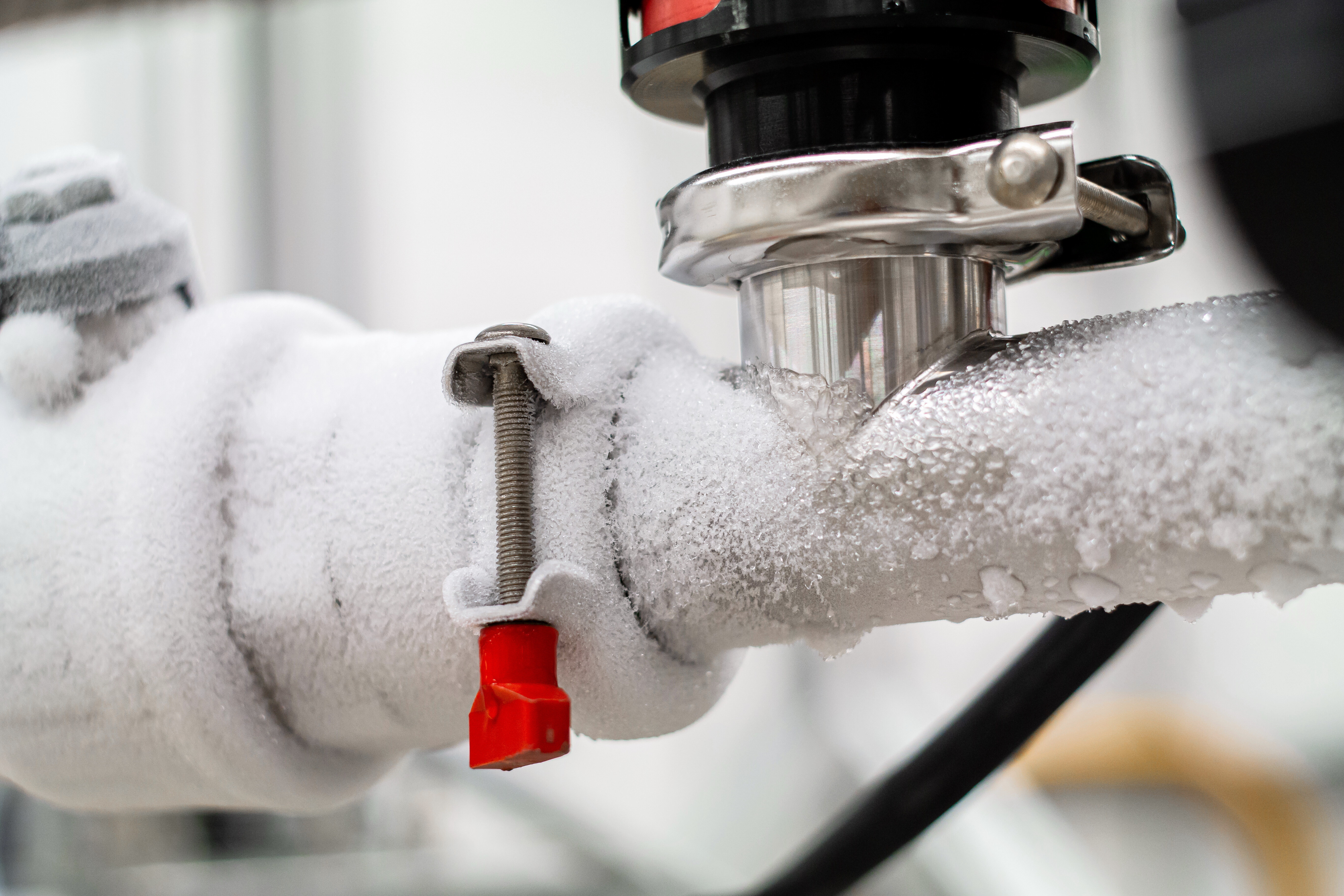
If your school is in an area prone to winter weather, it’s important to prevent pipes from freezing, especially during school breaks.
Three Primary Causes of Frozen Pipes
- Sudden drop in temperature
- Poor insulation
- Inadequate heat
Pipes typically freeze when temperatures fall below 20 degrees Fahrenheit. If a pipe bursts, it can cause substantial damage. It is recommended that buildings maintain a temperature of at least 60-65 degrees in the winter, and proper planning is in place to reduce the likelihood of a frozen pipe.
Despite the precautions, pipes can still freeze in the winter.
What should my school do if a pipe bursts?
- Shut off the main water valve to reduce further damage.
- Do not operate any electrical appliances in areas of standing water.
- Report the incident to your independent agent, or to Utica National online at
https://www.uticanational.com/claimsresourcecenter or by phone at 800-216-1420 as soon as reasonably possible. - Begin the dry out process.
Consider the following to prevent frozen pipes:
|
Before Winter
|
During Winter
|
If you have any questions about preventing frozen pipes, please reach out to Educational Institutions Segment Specialist John Acee at john.acee@uticanational.com.
A portion of this risk management alert was provided by Educational Service District 112: https://www.esd112.org/news/preventing-frozen-pipes/ and the Red Cross: https://www.redcross.org/get-help/how-to-prepare-for-emergencies/types-of-emergencies/winter-storm/frozen-pipes.html
5-R-1437