
Help Prevent Slips, Trips, and Falls
By
Utica National Risk Management Team
·
|
1 minute read
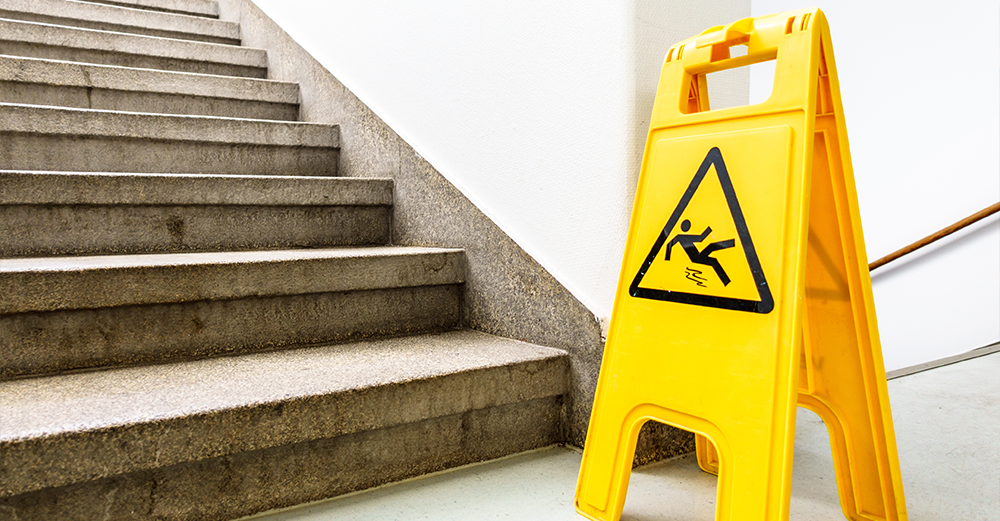
In addition to developing a slip, trip, and fall protection plan, it's important to provide training and documentation in the recognition of slip, trip, and fall hazards and controls.
Quick Tips
- Clear walking surfaces of debris, electrical cords, tools, and other equipment.
- Keep floors clean and dry and ensure that they are not slippery.
- Clean up spills immediately and provide warning signs for wet floor areas.
- Use no-skid waxes and surfaces coated with grit to create non-slip surfaces.
- Limit uneven walking surfaces and mark any changes in walking levels with yellow strips or another appropriate identification measure.
- Keep stairways and hallways free from clutter and ensure that all areas are well lit.
- Wear shoes with good support and slip-resistant soles.
- Use the handrail when walking up or down stairways.
- Ensure that snow and ice removal is done promptly and frequently if you're in an area prone to winter weather – and that slippery surfaces are treated with sand and/or salt.
- Inspect walking surfaces frequently to identify and correct any fall hazards.
By staying aware of changing conditions and addressing hazards early, you can help prevent slips, trips, and falls.
Sources:
National Safety Council. Falls Account for 17% of Workplace Deaths. https://www.nsc.org/workplace/safety-topics/slips-trips-and-falls/slips-trips-and-falls-home?srsltid=AfmBOoq49MTysNxR3ZTZNcBKK3DiAIRVss9-mBXnAzXmpMzWvy2nyeiV. Accessed April 27, 2026.
Occupational Safety and Health Administration. Slips Trips & Falls. https://www.osha.gov/sites/default/files/2018-12/fy16_sh-29672-sh6_SlipsTripsFallsHandoutforSafetyCommitteeMeetings.pdf. Accessed May 6, 2026.
Portions of this Risk Management Alert were provided by Zywave: Slip and Fall Hazards.
5-R-1371