
Winter Travel Tips
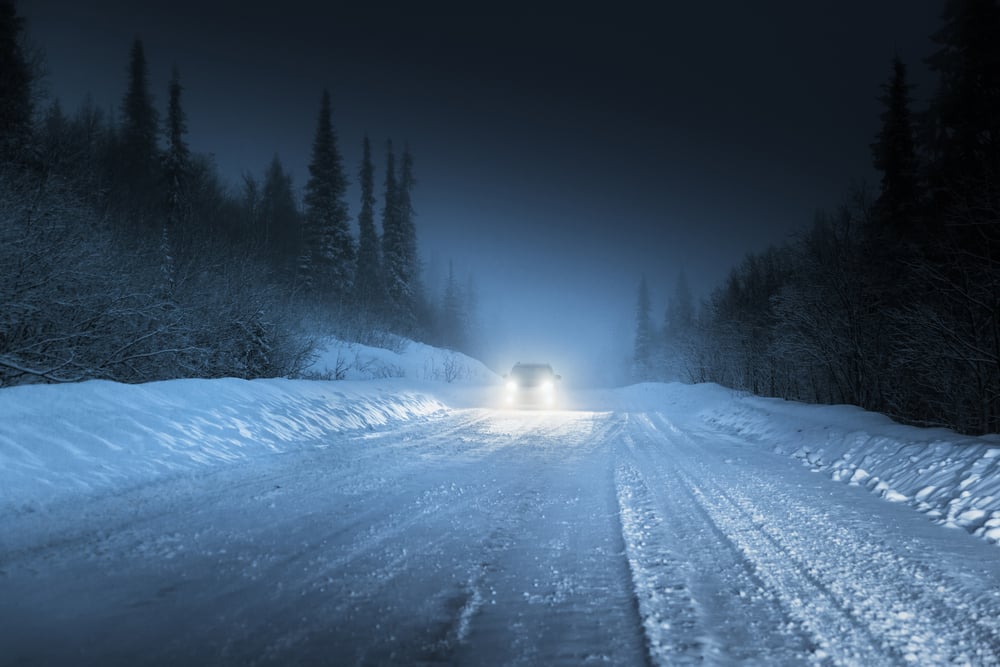
Winter driving can be dangerous – and being unprepared increases the risks.
Battery
Temperature changes can dramatically alter battery life and dependability. As the temperature drops, so does battery power. Make sure your battery has sufficient charge and have it replaced, if needed.
Cooling System
Coolant expands as it freezes, which can potentially damage the vehicle's engine block. Check that your vehicle's coolant level is adequate and formulated for winter conditions in your area.
Tires
Regardless of the season, inspect your tires at least once a month and always before setting out on a long road trip.
-
Ensure tires are inflated to the manufacturer's recommended inflation pressure.
-
Use tires appropriate for winter driving conditions.
- Replace tires that have uneven wear or insufficient tread.
Visibility
Make sure windshield wipers and defrosters are working properly and anti-freeze washer fluid is sufficiently filled.
Additional Considerations
Vehicle Operation. Take time to familiarize yourself with vehicle controls and learn how to handle your vehicle under winter weather driving conditions. This includes taking it slow and learning the braking technique of the vehicle.
Travel Plans. Check the weather, road conditions, and traffic; plan to leave early, if necessary.
Stock Your Vehicle.
-
Keep the gas tank close to full and/or the battery fully charged for an electric vehicle.
- Pack a snow shovel, broom, ice scraper, jumper cables, flashlight, reflective triangle or other warning device, blankets/sleeping bags, cellphone charger with power bank, water, food, and any necessary medicine.
- Consider carrying sand or kitty litter for traction in case the vehicle gets stuck.
Important Reminders
- Stay with your car and use extreme caution if venturing out of your vehicle.
- Move your vehicle to a safe location, if possible.
- Put bright markers on the antenna or windows and keep the interior dome light on.
- Keep the vehicle's exhaust pipe clear of snow and ice to avoid carbon monoxide poisoning.
Be sure to follow manufacturer recommendations regarding cold weather operation and consult with a mechanic for additional assistance.
Sources:
National Highway Traffic Safety Administration. Winter Weather Driving Tips. https://www.nhtsa.gov/winter-driving-tips. Accessed September 14, 2026.
National Safety Council. Be Prepared for Winter Driving. https://www.nsc.org/community-safety/safety-topics/seasonal-safety/winter-safety/driving. Accessed September 14, 2026.
5-R-1412