
Prepare Buildings for Severe Weather
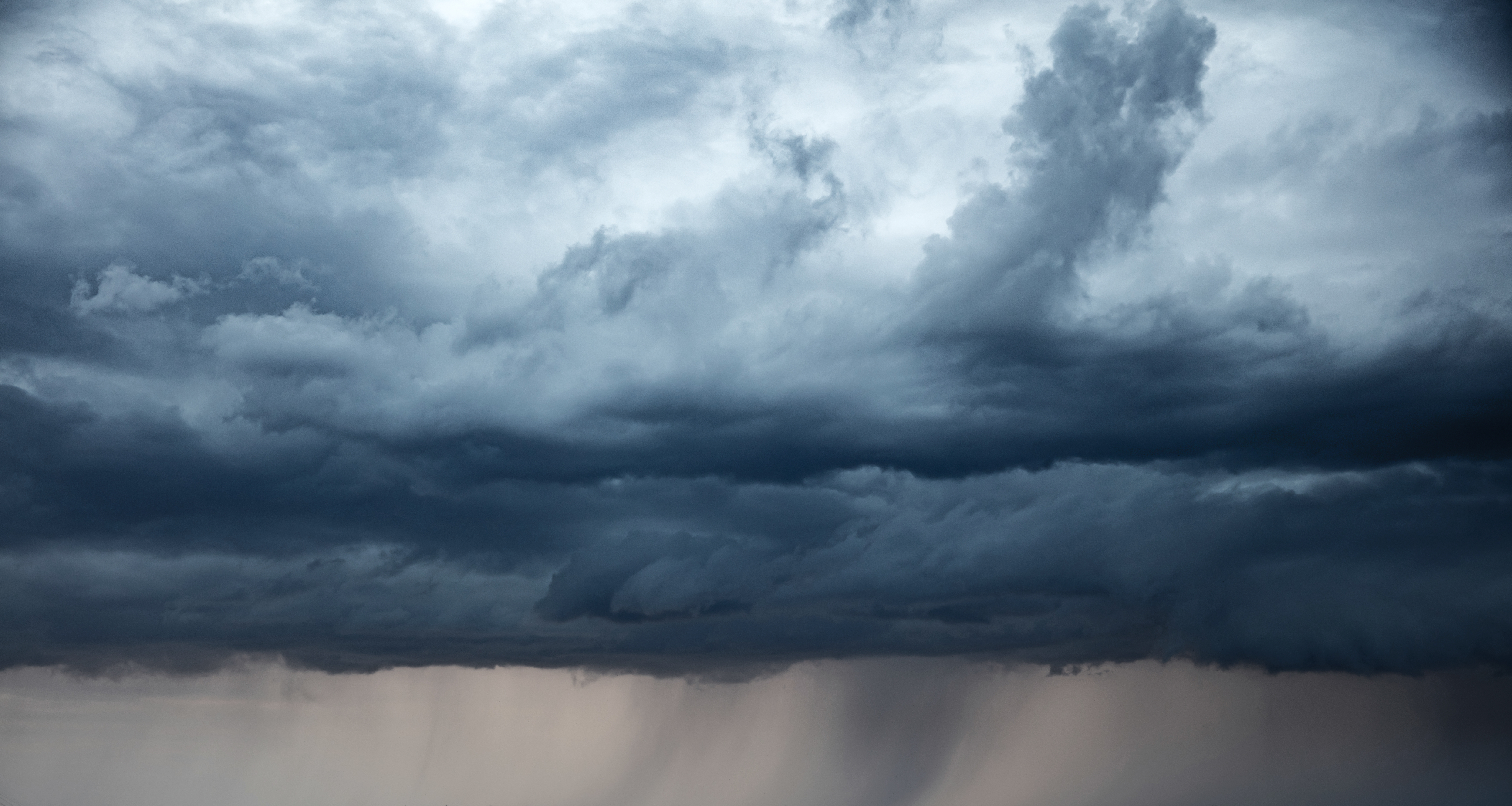
From spring through summer and into early fall, your property may be exposed to high winds and heavy rainfall, often occurring in short periods of time and sometimes with little warning.
Consider the following from the National Oceanic and Atmospheric Administration’s (NOAA’s) National Weather Service:
- Thunderstorms are relatively small compared to hurricanes; however, all thunderstorms have the potential to be dangerous. High winds, heavy rain, hail, and lightning may accompany these storms.
- Tornadoes can occur at any time of the year, with the highest frequency east of the Rocky Mountains during spring and summer months. These severe storms are also often accompanied by high winds, heavy rain, hail, and lightning.
- Along the Atlantic and Gulf coasts, hurricane season typically lasts from June through November.
Did You Know?
Measures to help you prepare for severe weather should focus on preventing water from accumulating on building roofs. Water weighs nearly 8.5 pounds per gallon – and just three inches of standing water on a 10,000-square-foot roof can add approximately 77 tons of weight. This accumulation could result in the roof collapsing, sagging, or leaking, creating a major problem in your building.
Water damage can be costly to repair and often renders the building unusable until repairs and cleanup are complete. As a result, additional measures should be taken to ensure surface drainage is adequate and functioning properly. Surface water runoff from a severe rainstorm must be channeled through the culverts, ditches, and storm sewers surrounding your buildings to help prevent water infiltration and serious property damage.
Assessing the vulnerability of a building’s contents and taking appropriate measures – such as relocating equipment or providing tarps to protect equipment in the event of a leak – are also critical measures for protecting against the forces of nature.
The following ten tips can help you protect your buildings from damage due to excessive rain and high winds:
- Inspect your roof surface for visible defects and repair them prior to the storm, if possible. Check seams, edges, and areas around skylights, vents, and other items that protrude through the roof.
- Remove debris from the roof, such as fallen leaves, silt, or construction materials. Additional loads on roofs should not be permitted.
- Check roof drains, scuppers, and drain screening devices to make sure they are clear and functioning properly to remove water from flat roofs. Look for standing water on the surface of the roof, which is evidence of poor design or condition. If water is present before a storm, remove it before additional rain has a chance to worsen the problem.
- Inspect downspout pipes, culverts, catch basins, and surface drainage channels to ensure they are clear and drain properly, helping to prevent water from entering the building. Clear debris from nearby areas as well, since heavy rain can sweep it into drainage systems and cause blockages.
- Look for water stains on interior ceilings and walls. Stains may indicate previous leaks and could signal areas that are vulnerable to water intrusion during heavy rainfall.
- Examine flashing material around chimneys, vents, and roof edges to ensure it is in good condition. If loose or raised areas are detected, arrange for temporary repairs as soon as possible to help prevent more serious damage during high winds or heavy rain.
- Remove gravel from a gravel-surfaced roof to make a repair. Be careful not to pile the gravel excessively in one area which can overload the roof. Consult qualified roofing contractors or engineers as needed.
- Assemble the materials you need to make temporary roof repairs ahead of time to have them readily available. Have a supply of buckets or other containers available to catch water and several rolls of plastic construction film to use for covering areas exposed to water leaks. If the building has a sump pump, provide for emergency power to the pump in the event of normal power failure, which is likely to occur in a storm.
- Relocate items that are of higher value and susceptible to water damage, such as computers and electronic equipment. Items stored in boxes can be better protected by placing them on pallets or skids raised off the floor at least four inches. This helps prevent water from soaking into the bottoms of the boxes and saturating the contents.
- Maintain a constant watch in all buildings during the storm to identify problems before they escalate into major loss-producing events. Monitor all areas for leaks and water infiltration. Take immediate action to help protect contents, and check sump pumps to ensure they have power and are working properly.
Sources:
National Weather Service. Severe Weather Preparedness. https://www.weather.gov/ind/preparedness. Accessed July 2, 2026.
Occupational Safety and Health Administration. Emergency Preparedness and Response. https://www.osha.gov/emergency-preparedness. Accessed July 2, 2026.
5-R-334