
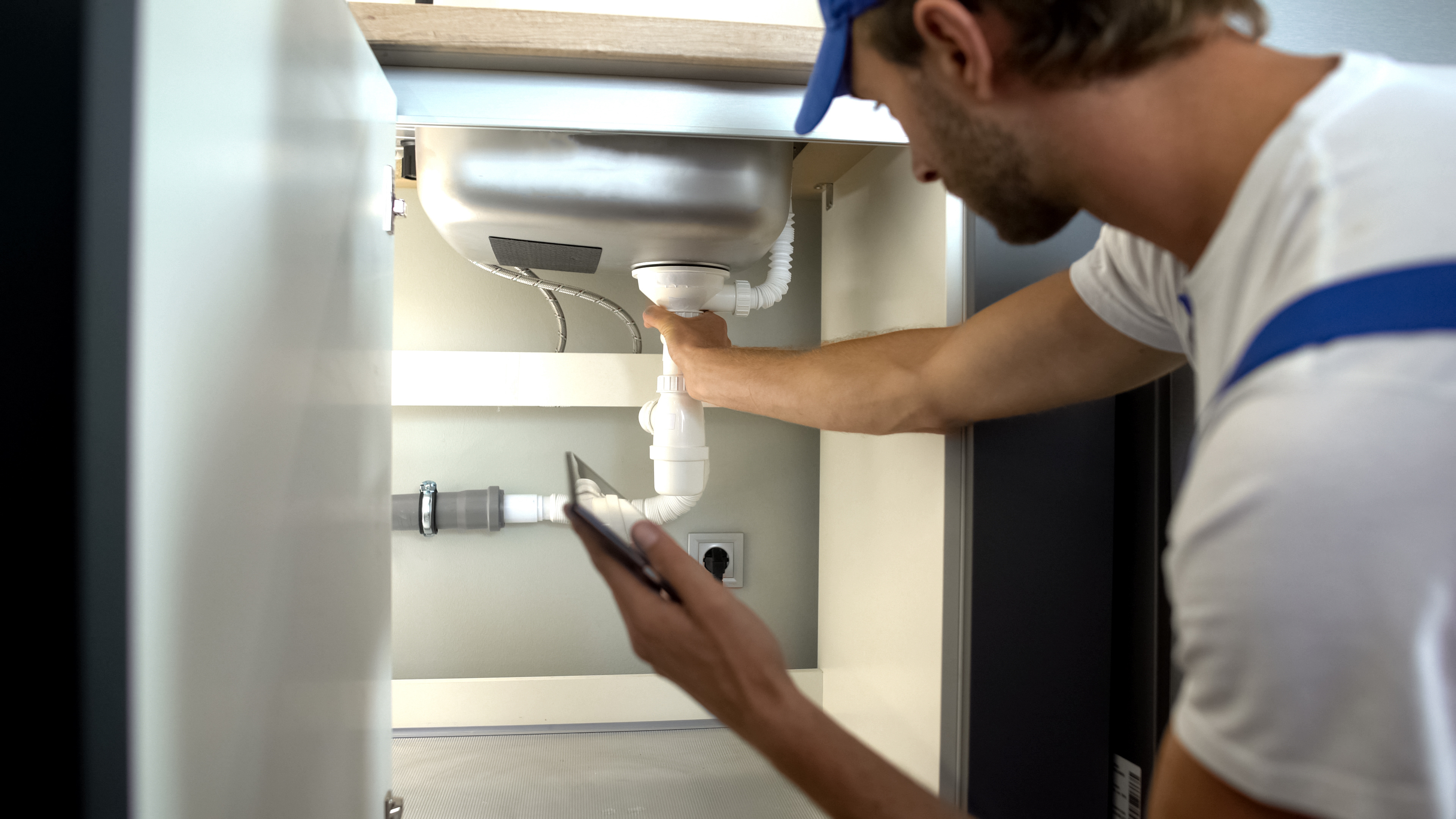
A variety of factors can contribute to water damage losses, including but not limited to failing heating, ventilation, and air conditioning (HVAC) components, faulty roofing coverings, and clogged downspouts. To help combat different types of water losses, we recommend the following "waterproofing" strategies.
Exterior Inspection
Exterior inspection should only be performed from ground level. Contact a qualified contractor if an inspection requires working from elevated heights.
-
Inspect any building attachments to verify they are securely attached and in good condition.
-
Check the condition of the roof to verify there are no cracks, curling, or missing materials.
-
Visually inspect flat roofs for missing ballast material over the roof surface.
-
Examine all flashing (sheet metal or other materials installed into roof systems' joints and valleys) to ensure it is securely attached to the building. This should be completed in conjunction with the roof inspection.
-
Inspect the roofing drains to ensure proper operation and that they are free of any clogs and/or obstructions. After periods of rain, inspect the roof for water pooling as this can be an indication of clogged drains.
-
Check gutters to ensure proper operation and that there are no clogs or obstructions, at least annually. In areas where leaf accumulation presents a problem, consider the installation of gutter guards to minimize this risk.
-
Ensure that downspouts are in place and direct water away from the foundation and walking surfaces.
-
Replace any damaged downspouts as damaged sections may restrict water flow and cause water backups.
-
Visually inspect the drainage system and verify that the drainage system carries water away from the buildings.
-
Ensure that landscaping is pitched away from the foundation.
-
Check the foundation and foundation openings such as windows. Any cracks should be properly sealed. All windows should be properly sealed against water infiltration. For windows subject to flooding, berms or sump wells should be installed.
-
Ensure all surface drains, including parking lots, driveways, and sidewalks are operating properly and are free and clear of obstructions.
-
Visually inspect the condition of all joints in masonry work on walls as well as any overlaps on siding. Ensure that there is no gapping present that would allow for water entrance.
-
Keep trees trimmed to prevent them from rubbing against the roof and to prevent excessive debris buildup.
Interior Inspection
- Verify all ceilings and walls are free from water stains which indicate leaks.
- Ensure drain pans to the HVAC system drain freely and make sure the drain lines are clean and clear of obstructions.
- Inspect the components inside toilets twice a year, including lifting the toilet tank lid to ensure the fill and flush valves are operating properly, and periodically checking the supply line to confirm it is secure. It is a good practice to close and open the supply valve to the toilet twice a year to verify smooth operation and the absence of rust. Pay special attention to water running intermittently in a toilet tank between uses, which may indicate a failing flush valve.
 Check water heaters frequently for leaks, including the pipe connections, the valves, and underneath the unit. In addition, periodically drain a bucket of water from the drain faucet at the bottom of the water tank to remove sediment that could corrode the unit as well as reduce its heating efficiency.
- Ensure proper sump pump operation by following recommended maintenance procedures. When purchasing the pump, choose a unit with a battery back-up option and replace batteries every two to three years.
- Inspect floor drains in the basement areas and ensure there is no storage of items that may block the drains.
- Protect stored items in basement areas by keeping them at least 6” off the floor. Valuable items should be stored in upper floor areas rather than in the basement, which is susceptible to water damage.
Staff Awareness
- Ensure that everyone in the building knows what to do in the event of water damage scenarios. Familiarize the staff with water shut-offs, drains, sump pumps, etc. Applicable emergency phone numbers such as plumbers, sprinkler contractors, etc., should also be made readily available.
- Ensure all employees are aware of sprinkler control valves and the proper way to close the water supply to the sprinkler system in the event of an accidental activation.
Sources:
Zywave. Water Damage Prevention Checklist. https://cms.zywave.com/sharedcontentdownload/9072251c-96ff-41ea-baf5-f72efdc0e0fb. Accessed June 16, 2026.
5-R-538