
Commercial Roofing Maintenance and Repair
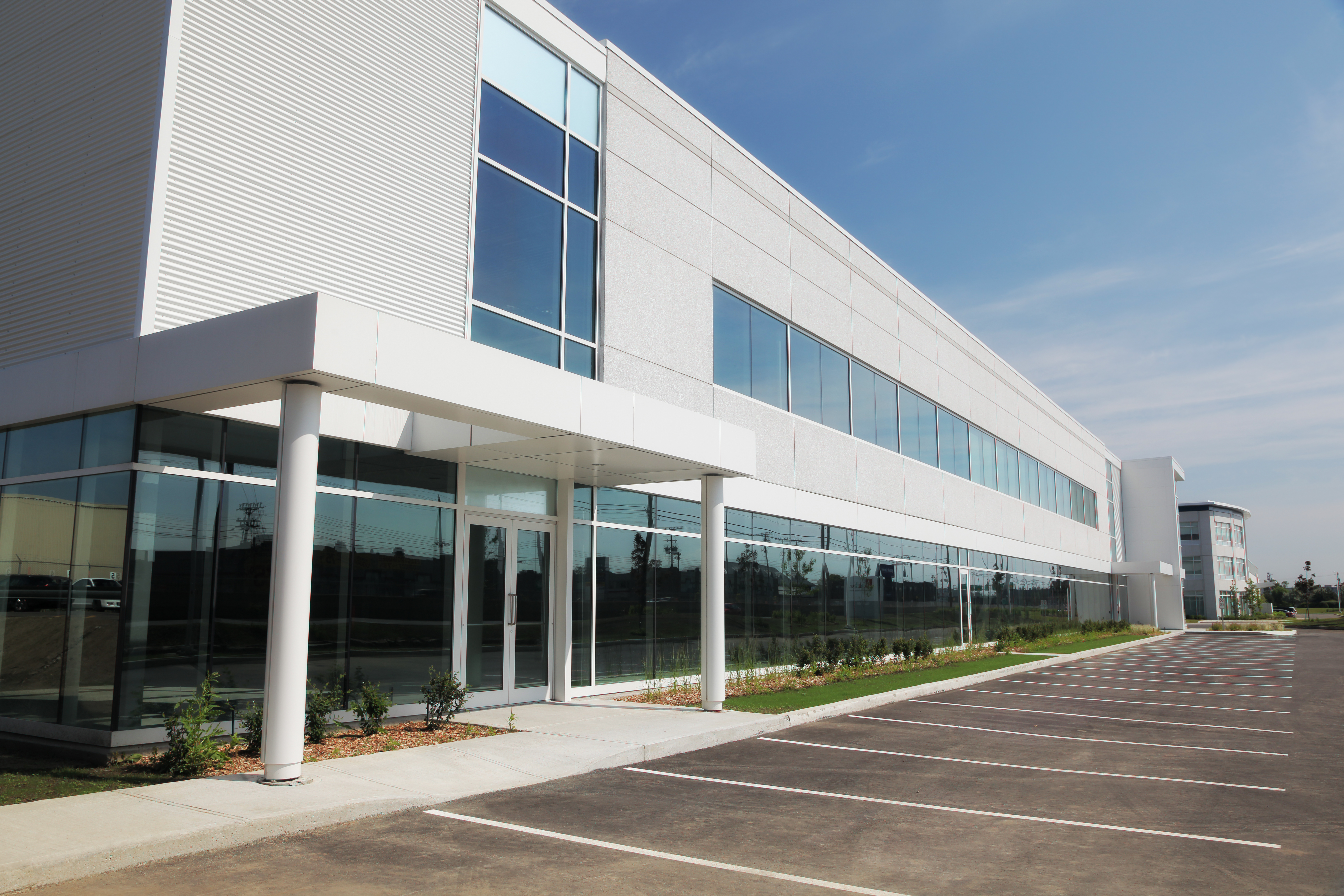
Roof damage is a significant source of property loss for commercial and residential buildings each year. As a building’s first line of defense, a roof provides protection from natural hazards such as wind, rain, fire, hail, ice, snow, and extreme heat. The risks posed by these hazards vary across regions throughout the United States.
Installing or replacing a roof is a major investment. Business and building owners should work with experienced and licensed inspectors and contractors to ensure natural hazards and appropriate mitigation measures are considered before, during, and after the installation, replacement, or repair process.
Performing regular roof maintenance can help prolong the life of the roof while protecting it against damage caused by natural disasters. Some maintenance may even be covered by warranties. Without regular inspections, the first indication of a roofing issue may not become apparent until it has resulted in interior damage. This can lead to more costly repairs to the roof and the building’s interior.
Many factors contribute to roof decay, including:
-
- Ultraviolet light from the sun and temperature extremes.
- Exposure to wind, snow, rain, ice, and foot traffic.
- Sunlight. Dark-colored roofs absorb more sunlight and become hotter, which can reduce their service life.
Recognizing Signs of a Roof Problem
- Roof granules washing away can indicate the increasingly rapid deterioration of asphalt shingle or low-slope roofs with granulated cap sheets.
- Water stains on the ceiling inside the building are often a sign of a roof leak caused by a crack or hole in the roof. Even the smallest leak can signal a larger underlying problem.
- Curling shingles are a sign of aging material that may no longer be providing adequate protection of the roof deck. Loose, cracked, broken, or missing roof tiles can create openings that allow water to enter the building. On metal roofs, rust or loss of protective coating are also signs of aging and wear.
- Unexplained mold or odors inside may indicate a roof leak.
Care and Maintenance
Roof care and preventative maintenance should be on every building owner's "to-do" list. This is an effective way to help prevent roof problems before they start and address existing problems before it's too late. Proper maintenance also prolongs the life of the roof. Here are some things to keep in mind:
- Ensuring proper ventilation of attic spaces is typically a code requirement unless the space is specifically designed as a sealed attic. This may also help extend roof life by reducing buildup of heat and moisture, which can accelerate the deterioration of roofing materials and roof structures.
- Keeping trees trimmed helps prevent branches from rubbing against the roof and reduces excessive shade that can promote moisture retention.
- Clearing leaves, twigs, and other litter from roofs, valleys, gutters, and downspouts helps ensure proper drainage.
- Regularly removing accumulated debris from the roof can help reduce the risk of embers from a wildfire igniting the roof. Eliminating leaves and other materials that tend to hold moisture and accelerate the deterioration of the roofing materials can also help.
- Ensuring edge shingles are securely fastened and do not extend more than 1/4 inch beyond the drop edge in high-wind areas can help prevent the shingles from lifting and peeling during strong winds.
- Testing the stability of shingles by gently lifting on the edge of shingle tabs is also effective. If the tabs are still flexible, but not well-anchored, roofing cement may be applied.
- Inspecting rooftop vents and equipment to ensure they are properly sealed can also help prolong the life of your roof. Seal any gaps with flashing cement. If the metal flashing is severely deteriorated or if vents are loose, contact a qualified roofing professional.
- Checking areas above the chimney, around vents, and along valleys or roof slope transitions for signs of water stains can help identify potential leaks.
- Ensuring different types of metals don't come into direct contact can help reduce the risk of corrosion on metal roofs.
- Checking for sunlight penetrating the decking from inside the attic can help identify leaks. Pay close attention to areas around vent pipes and chimneys or other roof penetrations. If there is some light, check for signs of leaks.
- Inspecting the roof in the fall and spring for cracked, curling, or otherwise damaged roofing materials that need to be repaired or replaced is also an effective preventive measure.
Important Note: If your property experiences a hail event with hail stones larger than 3/4 inch, have the roof inspected.
Consulting a professional roofing inspector can be beneficial if concerns arise during a roof maintenance review. An inspector can help assess the overall condition of the roof, estimate the remaining life of the roof, identify potential problem areas, and recommend options to help you protect the roof.
Tips for Hiring a Roofing Inspector
-
Look for an established, licensed, or bonded professional.
- Ask for references and follow up with them.
- Request Certificates of Insurance and consult with your insurance agent to discuss coverage options and ensure coverage is current.
- Contact your local Better Business Bureau to check if any complaints have been filed against the inspector.
Sources:
Portions of this Risk Management Alert were provided by Zywave: Aging Buildings: Roofing Systems
5-R-550