
4 Tips to Help Prevent Surface Water Flooding
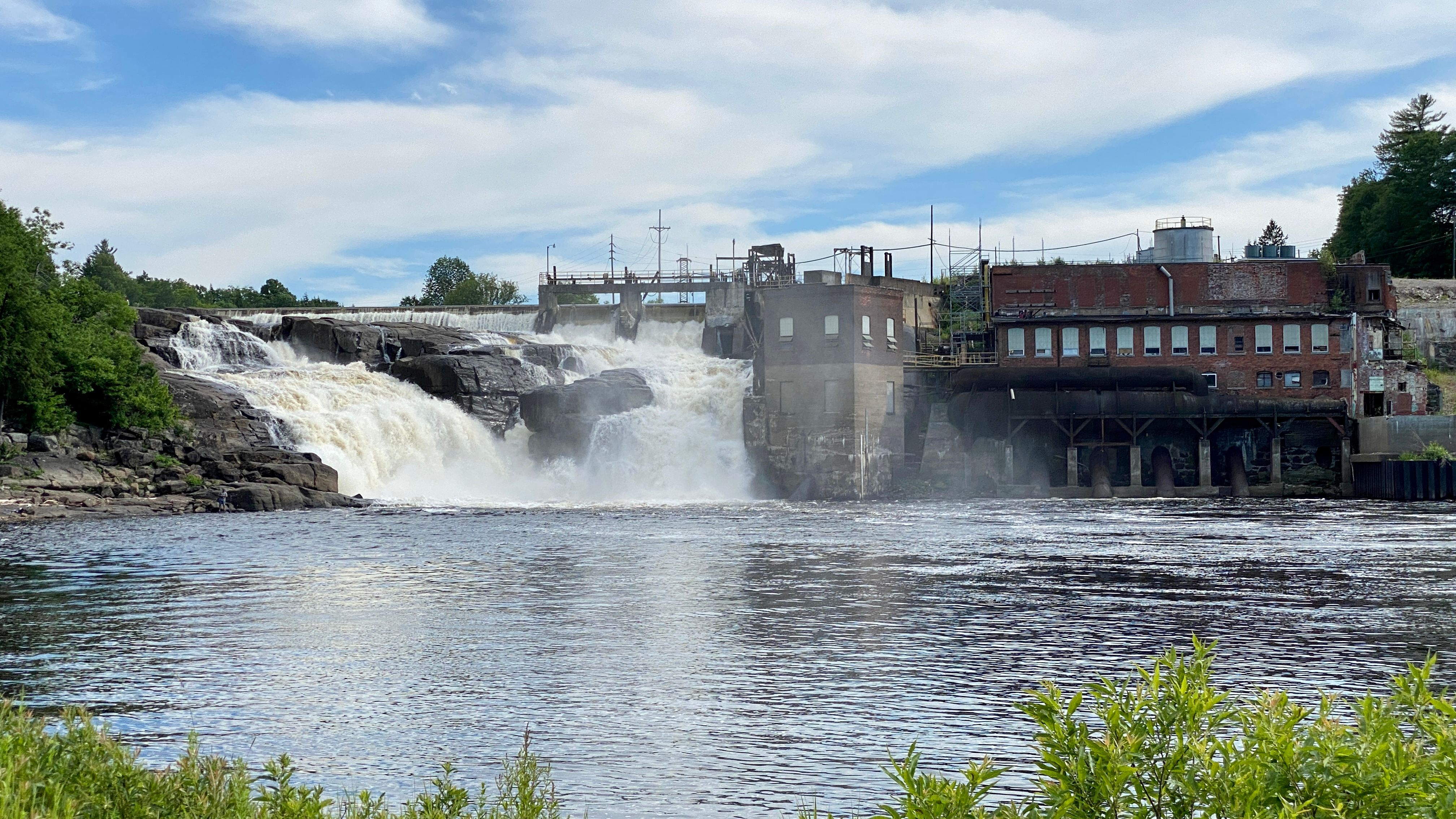
Intense storms capable of delivering several inches of rain in a very short period of time are occurring more frequently.
Rainfall from these storms overloads drainage systems, accumulates in low-lying areas, and infiltrates buildings causing extensive damage.
Here are four suggestions to help protect your property against surface flooding hazards:
1. Evaluate your facility for surface flood potential. How does water enter and leave your property? Does surface water flow toward or away from your buildings? Changes in surface conditions, such as the construction of a parking lot upstream from your property, can affect the amount of water requiring drainage, so it’s important to monitor conditions on an ongoing basis.
2. Check stream beds and natural drainage areas at least twice a year for items that could be carried by flood water. These items can be washed downstream and eventually obstruct culvert pipes and drain basins. Keep in mind: 24 inches of moving water is capable of sweeping away a car or truck, so dead trees and other large, heavy items can easily be floated by flood waters.
3. Have an ongoing program to assure proper drainage.
- Keep vegetation clear of surface drain grates.
- Remove outside storage that might create a drain obstruction.
- Clean sewer drains to ensure they are open and perform an annual visual check of the drain basins to make sure they stay clear. Salt, sand, leaves, and other debris accumulate in drain catch basins.
- Assign several staff members to monitor forecasts and initiate your response plan if severe weather is expected.
- Check surface drainage conditions prior to storm onset and remove any debris, such as piles of leaves or construction material, that could block drains during severe weather.
- Protect building openings exposed to surface water buildup by installing sandbags, inflatable bladders, and flood barrier walls.
- Check sump pumps and other water removal equipment for proper function.
- During the storm, have trained staff members visit your facility to monitor conditions. The key is to discover drainage problems early and take appropriate corrective actions before the situation becomes uncontrollable.
Sources:
Occupational Safety and Health Administration. Flood Preparedness and Response. https://www.osha.gov/flood. Accessed May 18, 2026.
Ready. Inland Flooding Toolkit. https://www.ready.gov/sites/default/files/2020-04/ready_business_inland-flooding-toolkit.pdf. Accessed May 18, 2026.
National Weather Service. Flood Safety and Preparedness. https://www.weather.gov/afc/FloodSafety. Accessed May 18, 2026.
5-R-1295